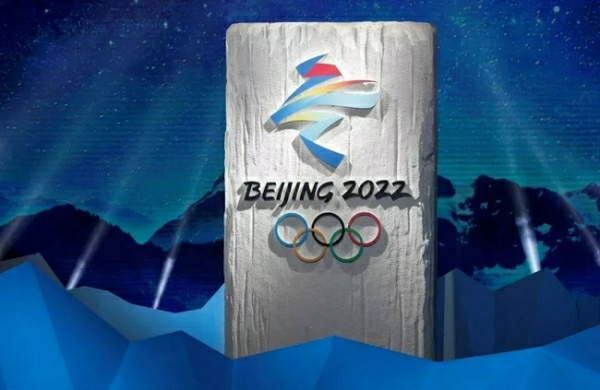
2022 Winter Olympics
Introduction
The 2022 Winter Olympics, officially known as the XXIV Olympic Winter Games, were a significant global sporting event held from Feb 4 to 20, 2022. These games marked the first time the Winter Olympics were hosted in Beijing, China, making it the first city to have hosted both the Summer (2008) and Winter Olympics. Co-hosting alongside Beijing was the city of Zhangjiakou in Hebei province, which held many of the skiing events. The event consisted of 109 medal events across seven sports, including newly introduced events such as women's monobob and mixed team events in freestyle skiing, among others.
Bidding and Selection Process
The selection process for the host city of the 2022 Winter Olympics began with several countries expressing interest. The International Olympic Committee received bids from various cities, but ultimately, it came down to two contenders: Almaty in Kazakhstan and Beijing in China. On July 31, 2015, during the 128th IOC Session in Kuala Lumpur, Malaysia, Beijing was elected as the host city. The decision highlighted Beijing's existing infrastructure from the 2008 Summer Olympics and its ambitious plans for new facilities and improvements in winter sports venues. The bid was also supported by China’s strategic plan to develop winter sports and enhance tourism in the region, particularly in Zhangjiakou.
Venues and Infrastructure
Host City and Regions
The 2022 Winter Olympics were primarily hosted in three zones: Beijing, Yanqing, and Zhangjiakou. Beijing served as the center for ice sports, utilizing venues from the 2008 Summer Olympics, including the National Aquatics Center, repurposed as the "Ice Cube" for curling events, and the National Indoor Stadium for ice hockey. Yanqing, a mountainous suburb of Beijing, hosted alpine skiing and sliding events, featuring newly constructed facilities. Zhangjiakou, located approximately 200 kilometers northwest of Beijing, became the hub for Nordic skiing and other snow events, supported by the new Beijing-Zhangjiakou high-speed railway that facilitated swift travel between these zones.
Sports Facilities
The preparation for the Winter Olympics saw the development of state-of-the-art sports facilities. In Zhangjiakou, the Chongli district was transformed with the establishment of the Genting Snow Park and the National Ski Jumping Center. These facilities were equipped to host a variety of skiing and snowboarding events. The Yanqing district witnessed the construction of the National Alpine Ski Center and the National Sliding Center, which included venues for bobsleigh, luge, and skeleton. The infrastructure development was not only aimed at the Olympics but also envisioned as a long-term investment to promote winter sports tourism and athlete training.
Sports and Events
Official Sports
The 2022 Winter Olympics featured a wide array of events across traditional winter sports disciplines. These included alpine skiing, biathlon, bobsleigh, cross-country skiing, curling, figure skating, freestyle skiing, ice hockey, luge, Nordic combined, short track speed skating, skeleton, ski jumping, snowboarding, and speed skating. Each sport saw athletes from around the world compete for the coveted Olympic medals, showcasing their skills and determination. The Games continued to promote the Olympic spirit of peace, excellence, and friendship, bringing together athletes from diverse backgrounds to compete on a global stage.
New Additions and Changes
Several new events were introduced at the Beijing 2022 Winter Olympics, reflecting the evolving nature of winter sports and the desire to engage younger audiences. Notable additions included the women's monobob in bobsleigh, mixed team events in freestyle skiing, ski jumping, and snowboard cross. These new events increased the total number of medal events to 109. The inclusion of mixed-gender events highlighted the Games' commitment to gender equality and provided opportunities for men and women to compete together, adding a dynamic and inclusive element to the competitions.
Opening Ceremony
Key Highlights
The opening ceremony of the 2022 Winter Olympics was a spectacular celebration of Chinese culture and Olympic spirit, held at the National Stadium, also known as the Bird's Nest. Directed by renowned filmmaker Zhang Yimou, the ceremony featured innovative technology, stunning visuals, and artistic performances that captivated audiences worldwide. The theme of the ceremony was Together for a Shared Future, emphasizing unity, collaboration, and hope for a better world. One of the highlights was the parade of nations, where athletes from participating countries marched into the stadium, waving their national flags with pride.
Performers and Attendees
The opening ceremony showcased a blend of traditional Chinese elements and modern performances, with participants including renowned artists, musicians, and dancers. The event was attended by international dignitaries, officials from the International Olympic Committee, and representatives of the participating countries. The ceremony's cultural segments highlighted China's rich heritage, featuring traditional music, dance, and visual art forms. The lighting of the Olympic cauldron, a symbolic moment signifying the start of the Games, was performed by prominent athletes, adding to the ceremony's emotional resonance.
Closing Ceremony
Summary and Highlights
The closing ceremony of the 2022 Winter Olympics, held at the National Stadium in Beijing, marked the end of an inspiring and memorable event. The ceremony was a vibrant celebration of the athletes' achievements and the successful hosting of the Games. It featured a blend of cultural performances, music, and the symbolic extinguishing of the Olympic flame. The handover segment was a significant highlight, as Beijing passed the Olympic flag to the next host city, symbolizing the continuity of the Olympic tradition.
Future Winter Olympics Announcements
During the closing ceremony, official announcements were made regarding the future of the Winter Olympics. These included details about the next host city for the 2026 Winter Olympics, which will be held in Milan and Cortina d'Ampezzo, Italy. The announcement was accompanied by a presentation showcasing the unique features and attractions of the Italian host regions, generating anticipation for the upcoming Games. The transition underscored the enduring legacy of the Olympics as a global celebration of sport and culture.








